Choosing between gas and electric heating is one of the most important decisions when setting up or upgrading a home heating system. Each option has its own advantages, costs and suitability depending on your property and lifestyle. Understanding the differences can help you make a more informed choice.
How gas heating works
Gas heating systems typically use a boiler to heat water, which is then circulated through radiators or underfloor heating. This type of system is common in many homes and is often used for whole-house heating.
How electric heating works
Electric heating systems use electricity to generate heat directly. This can include electric radiators, panel heaters and underfloor systems. Electric heating is often used for individual rooms or properties without access to gas.
Running costs
Gas heating is generally cheaper to run for whole-home heating, as gas tends to be less expensive than electricity per unit. However, electric heating can be more cost-effective for heating specific rooms when needed.
Installation and setup
Gas heating systems require professional installation, including boilers and pipework. Electric heating is usually easier to install, often requiring only a power supply.
Efficiency and control
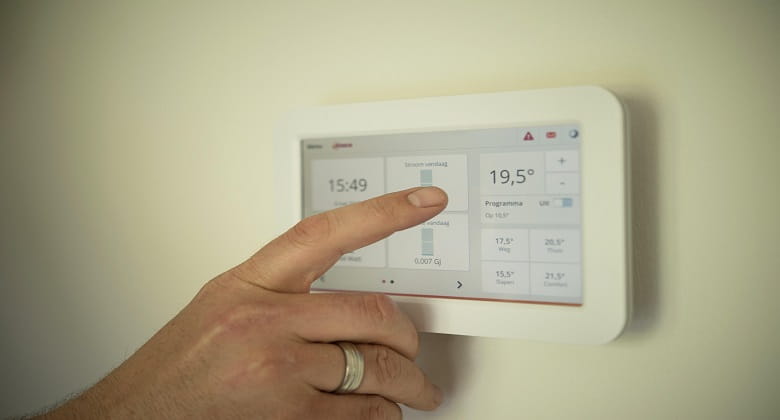
Electric heating allows for more precise control, with many systems offering timers and smart features. Gas systems can also be efficient but typically heat the entire home rather than individual rooms.
Maintenance
Gas systems require regular servicing to ensure safety and efficiency. Electric systems generally require less maintenance, as they have fewer moving parts.
Environmental considerations
Electric heating can be more environmentally friendly when powered by renewable energy sources. Gas heating produces emissions and relies on fossil fuels.
Which is better for small properties?
Electric heating is often suitable for smaller homes, flats or spaces without access to gas connections.
Which is better for larger homes?
Gas heating is typically more efficient for heating larger properties, especially when multiple rooms need to be heated consistently.
Common mistakes when choosing between gas and electric heating
- Focusing only on installation cost
- Ignoring long-term running costs
- Not considering property size
- Overlooking energy efficiency
Comparing heating options
Comparing different heating systems helps you find the right balance between cost, efficiency and convenience.
Final thoughts
The choice between gas and electric heating depends on your home, budget and preferences. By understanding the advantages of each, you can select a system that provides comfort and efficiency.